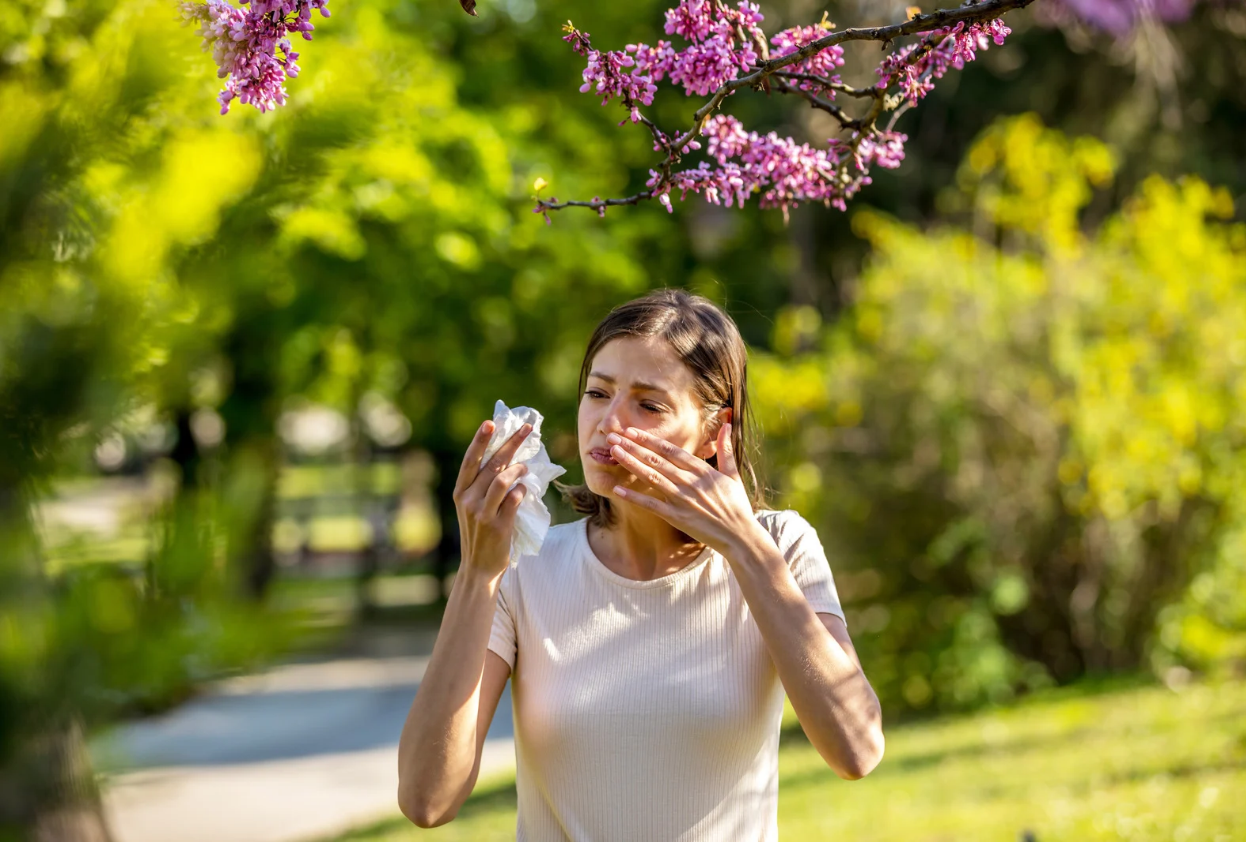
As the seasons change, many people start to notice familiar symptoms: sneezing, congestion, itchy eyes, and a scratchy throat. For millions of Americans, these are the telltale signs that allergy season has arrived.
Seasonal allergies are most often triggered by pollen from trees, grasses, and weeds. Depending on where you live, pollen counts can rise as early as late winter and continue well into fall. Mold spores, which thrive in damp weather, can also contribute to symptoms.
The good news is that there are simple steps you can take to feel your best:
- Check daily pollen counts and limit time outdoors when levels are high.
- Keep windows closed at home and in the car during peak season.
- Shower and change clothes after spending time outside.
- Use a HEPA filter to help reduce allergens indoors.
Over-the-counter medications can help with mild symptoms, but if your allergies are interfering with sleep, work, or daily activities, it may be time to see a specialist. Allergy testing can pinpoint your specific triggers, and treatment options like immunotherapy may provide longer-term relief.
Don’t let allergies keep you from enjoying the season. Schedule an appointment today to find a plan that works for you.